

Energy and sustainability
Energy management, chiller plant management, energy retrofits, ice-bank storage, heat pumps and rooftop solar are part of SECCO's scope of work.
Energy work within our MEP scope
Much of a building's energy use is decided in its plant room: how the chillers, pumps and controls are chosen, installed and run.
How much energy a system saves depends on the building, the plant and how it is run.
Chiller plants that are managed, not just installed
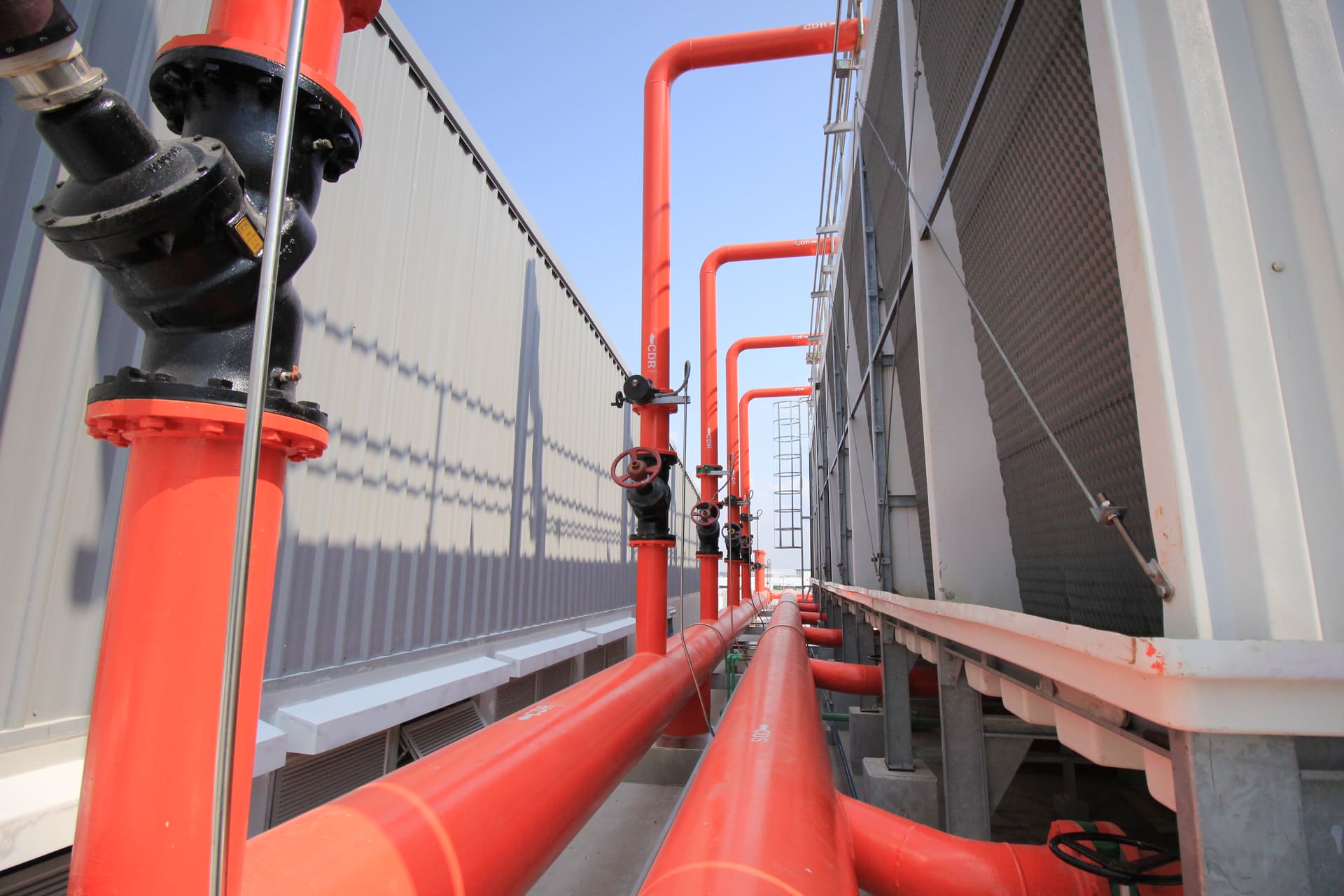
Chillers, pumps and cooling towers run most efficiently when they are matched to the building's load and controlled as one plant. Our EPC, design and value engineering scope includes chiller plant management and plant guaranteed calculation analysis.
The same scope covers energy retrofits, mechanical and electrical design for condominiums, hotels, shopping centres and warehouses, and value engineering for budgeting.
EPC and design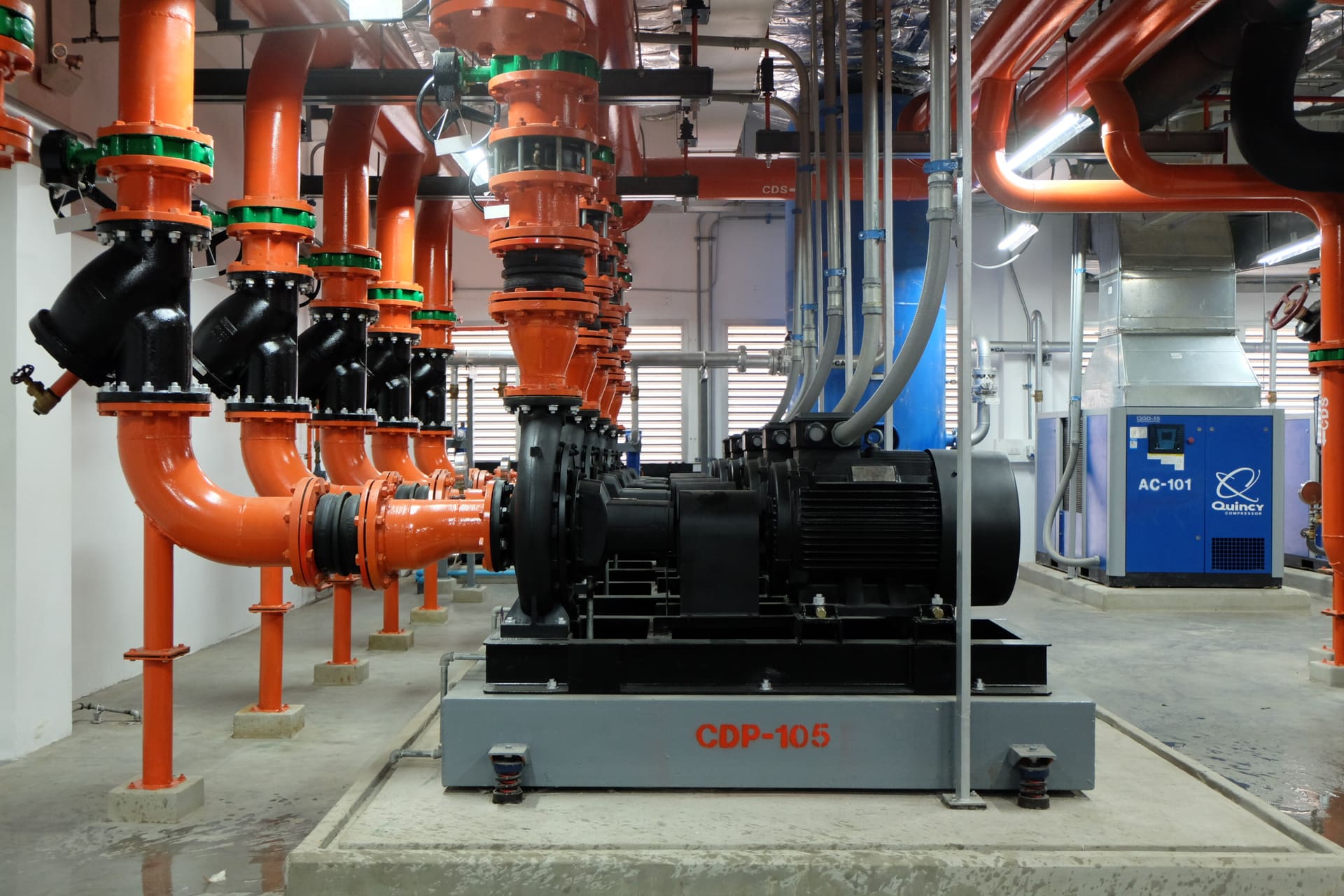
Storing, moving and controlling energy
Four more systems from our air-conditioning scope, with a short note on how each one saves or shifts energy.
Energy management systems
An energy management system measures where a building's energy goes and controls the plant to match demand. SECCO installs energy management systems as part of its air-conditioning work, alongside the building automation systems in our electrical scope.
Ice-bank storage
An ice bank makes ice at night, when electricity demand, and often the tariff, is lower, and melts it to cool the building by day. The chillers can then run off-peak and at a steadier load. Ice-bank storage systems are part of SECCO's air-conditioning scope.
Heat pumps
A heat pump moves heat rather than generating it, so it can deliver more heat than the electricity it uses, for example for hot water. SECCO installs heat pump systems.
District cooling
A district cooling plant makes chilled water centrally and pipes it to several buildings, so each building does not need its own chillers. SECCO's references include Prathumwan Smart District Cooling in Bangkok.
View the referenceHow a control system goes in
Energy management depends on a control system that is installed and tested properly. Our method for building management and control systems runs in this order.
- Clarify the points
Agree every point the system will monitor or control, and confirm the control devices and terminals.
- Design and order
Draw the cabling layout, finalise the details of the DDC control panels and order the equipment.
- Install
Install cable and conduit, the field devices, the DDC panels and the operator workstation, then terminate the cabling.
- Programme
Get the control algorithms approved, then upload them and set the address of each device.
- Test
Test each field device on command, test every software point, then run the operation test and the integration test with the other building systems.
Rooftop solar, from mounting to earthing
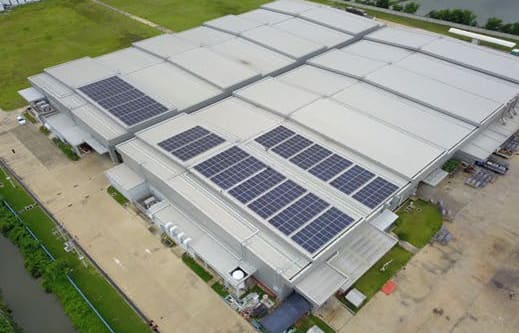
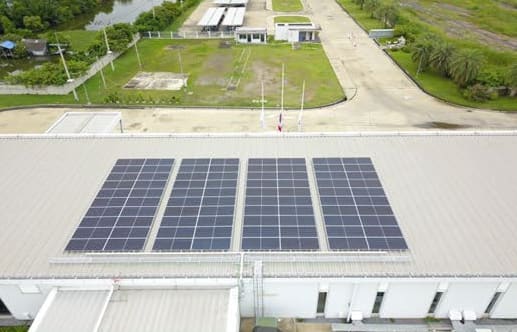
SECCO installs rooftop solar PV systems, and our references include arrays on factory roofs. Our solar scope covers the work on the roof from the panels to the inverters.
Lightning protection and grounding systems are also part of our wider electrical scope.
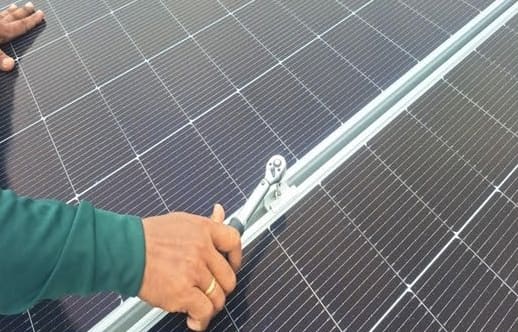
- Solar PV module installation
- Mounting structure on the roof
- DC cable routing to the inverters
- Inverter installation area
- Earthing and lightning protection
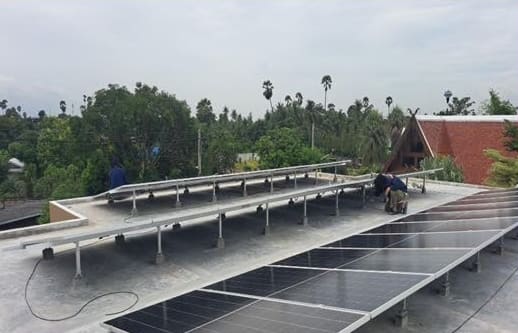
Rooftop PV from our solar references
Where next
Talk to an engineer about your next building.
Tell us about the project, the programme and the systems you need. A SECCO engineer will reply.